The Data Quality Paradox
Data quality has an unusual characteristic: success removes the evidence of the problem.
At first, the issues are obvious. Reports disagree. Fields are empty. Three labels describe the same thing. The defects announce themselves.
Then a good team goes to work. Definitions become consistent. Pipelines become reliable. Errors disappear. Complaints stop.
And that is when the paradox begins.
Unlike most functions, data quality is judged largely by what no longer goes wrong. The better the team performs, the less visible its contribution becomes. Few executives notice the incident that never happened or the decision that was quietly improved.
This creates a risk. If a data quality team's value is measured only by cleaner datasets, its impact becomes invisible—and invisible value is difficult to defend.
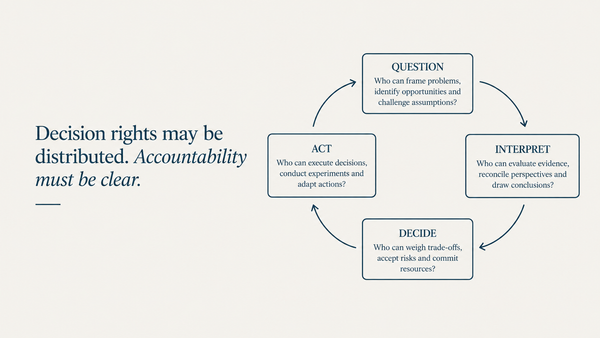
The answer is to connect data quality to business outcomes. A data quality team should not merely prevent bad data; it should help enable the decisions that increase revenue, reduce costs, and manage risk. Otherwise, its greatest successes may gradually become its least visible achievements.