The Shape of Experience
Experience used to have a simple advantage: it gave you knowledge other people did not have.
AI weakens that advantage.
A machine can retrieve precedents, compare cases and summarise specialist knowledge in seconds. It cannot live twenty years of experience. But it can reproduce more of what those twenty years once bought than we might like to admit.
That changes what experience is worth.
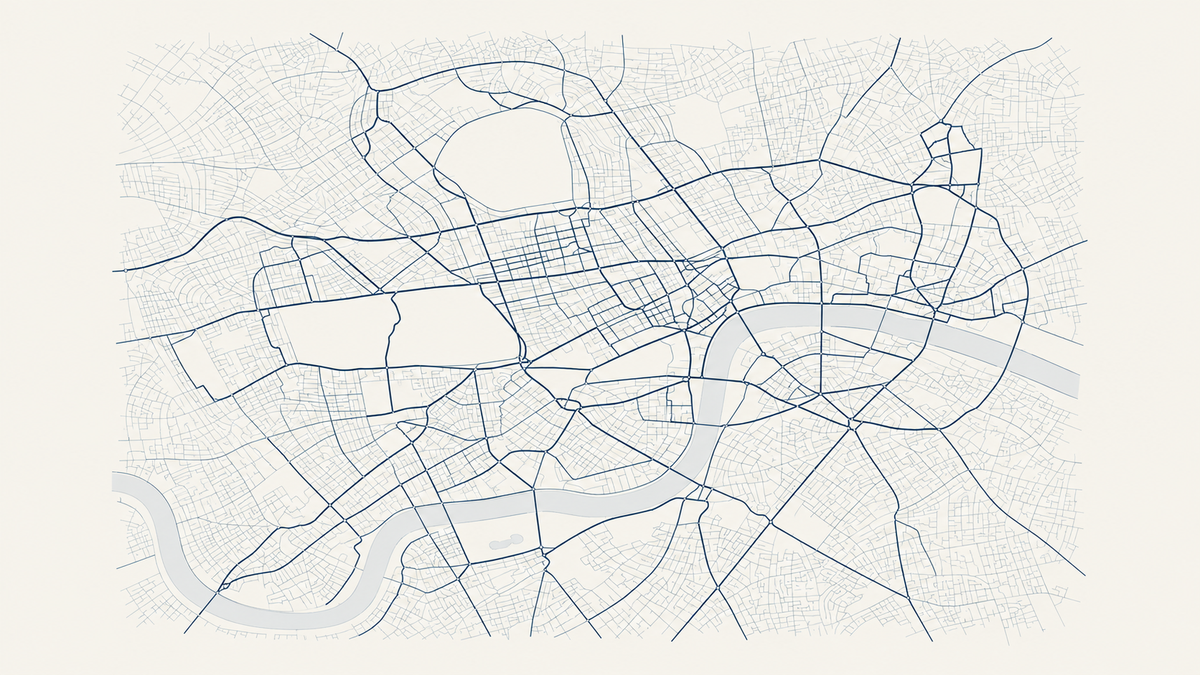
Consider the London taxi driver. Knowing thousands of streets once represented scarce professional knowledge. GPS made much of that knowledge available to anyone. What remained valuable was knowing when the suggested route was wrong: the school run, a football match, roadworks, or something the map had missed.
When knowledge becomes cheap, experience matters most when the map is wrong.
Now consider Serena and Venus Williams. Their development took place outside much of the conventional junior-tennis system. The point is not that unconventional paths are better. It is that different environments teach you to notice different things. They shape what seems normal, what seems possible and which assumptions you are willing to question.
The same is true in business.
An executive who has spent twenty years in one industry may recognise its patterns faster than almost anyone. Someone who has crossed industries, functions or cultures may notice something else: that what everyone in the room regards as inevitable is merely customary.
Depth and difference therefore offer different advantages. Depth teaches you what usually works. Difference gives you more ways to see what might.
Sometimes the value comes from combining ways of thinking that rarely meet: an engineer learning from psychology, a financier borrowing from biology, a retailer studying hospitality. An idea that is ordinary in one field can be revealing in another.
Nor must all the experience be your own. The people you work with, read and listen to can widen the range of experience you draw upon. The important thing is not simply exposure to difference, but what you learn from it.
This matters when choosing executives, composing boards, building teams and developing successors. A room can contain two hundred years of experience and still contain remarkably few ways of seeing.
And as AI makes competent answers easier to obtain, the advantage may increasingly lie elsewhere: asking the question others did not think to ask, questioning an assumption others accepted, or recognising that an old answer no longer fits.
AI can supply more of what is known. Human judgement still has to decide where to look next.
Don’t just accumulate experience. Accumulate distance between experiences—and learn from the distance.